Skip to product information
1 of 7

Asante Boutique Coffee Roasters

RWANDA Speciality Coffee - CYATO - Washed

RWANDA Speciality Coffee - CYATO - Washed

Regular price 20,10€
Regular price Sale price 20,10€
Sale Sold out
Taxes included. Shipping calculated at checkout.
Weight
Roast

Rwanda - Cyato

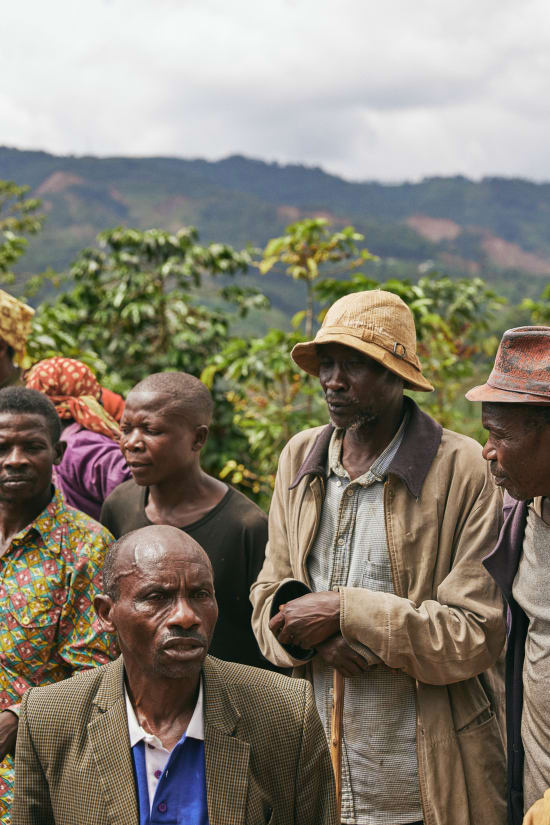
The Abadatezuka Cooperative is a group of smallholder farmers in the western province of Rwanda who deliver their coffee cherries to the Cyato Washing Station, located in the Cyato sector of the Nayamasheke district in that region. The local growers cultivate coffee at altitudes reaching 2,200 meters above sea level, while the washing station is located at 1,850 meters above sea level. The coffee is transported to the Cyato washing station from the surrounding areas of Kivoga, Kageyo, Rusumo, Gatare, and Nsinduka.

The washing station was established in 2017. An interesting facet of the coffee here is that the native bees that live in and around the Nyungwe Forest, where the coffee is grown, are considered partly responsible for the "unique profile" of this coffee. Bee-assisted pollination, the fertile soil (black humus and sandy soil), and the cool, lake-influenced climate, thanks to the area's proximity to Lake Kivu, all contribute to the flavors found in the cup.

Farmers do not use synthetic inputs, neither as fertilizers nor for pest control.

We love Rwandan coffee, and we're excited to share the best we can with you.


Origin: Rwanda
Region: Western Province
Producer: Cyato Coop
Variety: Bourbon
Altitude: -2200m
Processing Method: - Washed

In the Cup
Flavors of vanilla and oolong tea with a smooth, delicate sweetness similar to fruit and the acidity of wine.

.

Preparation suggestion (Brewing)


View full details

Rwanda

Rwandan cafes
Like most coffee-producing countries in Africa (with the exception of Ethiopia), Rwanda was planted with coffee by European colonial interests in order to supply the expanding market back on their home continent. High-yielding, low-cost varieties were introduced in the 1930s and made mandatory for farmers by Belgian colonists, offering little in the way of incentives or quality development: coffee was intended to be a cheap commodity available in abundance, and the colonial government had strict export mandates, as well as imposing high taxes on producers, practically enslaving them to the industry. About 75% of Rwanda's landmass is used for agriculture, and over 35% of its population are subsistence farmers, many of whom depend on coffee for at least part of their income.
While coffee became the mainstay of agricultural exports in the 1990s (despite very low market prices), its production, along with the overall national economy, was devastated by the genocide in 1994. Nearly a million people were killed in the national tragedy, which stalled development and slowed progress for almost a decade. Targeted programs initiated by the government in the early 2000s encouraged Rwandans to use specialty coffee as one of the means to recover and create a new agricultural market niche.
The construction of the first washing station with USAID support in 2004, and the country being the first to host an Excellence Cup auction, brought international recognition to the "Land of a Thousand Hills" as a potential producer of exceptional quality.
Today, this small country (roughly the size of Maryland) contributes less than 0.2% of the global coffee supply, but its reputation for specialty quality and unique characteristics – not to mention the incredible story of its development as a specialty coffee origin since the genocide – has earned Rwanda a significant place at the table among African origins.

The Profile of Cafes in Rwanda
Trips to the Lake Kivu region have yielded phenomenal finds, both of washing stations like Kabrizi and Kigeyo on the eastern shores of the lake, and of Gishamwana Island, an apparent coffee paradise where plants are grown, processed and ground in an environment still untouched by the same pests that accumulate on the mainland.
We are pleased, proud, and privileged to work with producers who are currently producing some of the cleanest, most dynamic, and highest quality coffees that the country and its remarkable terroir have to offer.

The Abadatezuka Cooperative is a group of smallholder farmers in the western province of Rwanda who deliver their coffee cherries to the Cyato Washing Station, located in the Cyato sector of the Nayamasheke district in that region. The growers here cultivate coffee at elevations of up to 2,200 meters above sea level, and the washing station is located at 1,850 meters above sea level. The washing station was established in 2017.
An interesting facet of the coffee here is that the native bees that live in and around the Nyungwe forest where the coffee is grown are said to be partly responsible for the "unique profile" of the cool climate influenced by the lake, thanks to the area's proximity to Lake Kivu, which contributes to the flavors found in the cup.

Farmers do not use synthetic inputs, either as fertilizers or for pest control.

We love Rwandan coffee, and we're excited to share the best we can with you.

Delicate flavors of vanilla and oolong tea, underpinned by a smooth, fruity sweetness and a pleasant vinous acidity.

Producer Abadatezuka Coop
Região Western Province
Variety Bourbon
Process Washed out
Altitude 2200masl
Organic
Roast Level Light Dark
Brewing suggestion